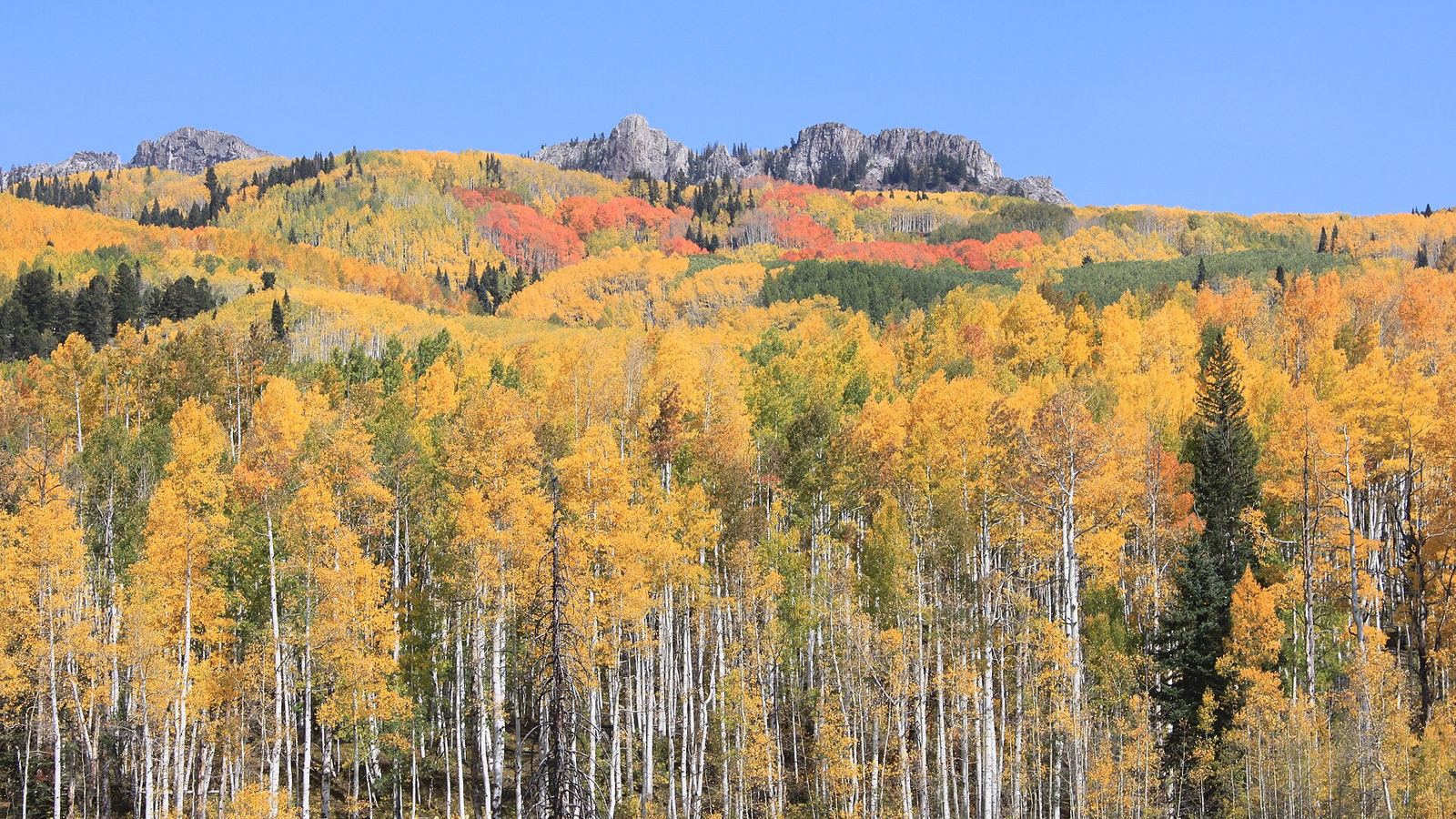
Photo: Aakash sahai, CC BY-SA 3.0
Dispersed camping in Colorado
Updated October 26, 2026 · Planning guide · 3 min read
Dispersed camping means camping outside a developed campground. There's no fee and no reservation, and there are no toilets, water, or trash service. On Colorado's national forests you can generally camp anywhere unless an area is posted otherwise (Forest Service), and most BLM land allows it unless posted closed.
The rules vary by forest, ranger district, and BLM field office, and more of the busiest areas now allow camping only at numbered sites. Here's how to find a legal spot and what's expected once you're there.
Key points
- The usual stay limit is 14 days, but national forests and BLM Colorado count it differently.
- Use the forest's Motor Vehicle Use Map. A dotted line along a road means you can camp beside it.
- Some popular corridors now allow camping at designated sites only.
- Check fire restrictions before every trip. They change during the season.
- Pack out all trash, and keep food in a locked vehicle or a bear-resistant container.
Where you can camp
National forest and BLM land are open to dispersed camping unless posted closed. Private land is not, and many forest roads pass private parcels. Forest Service pages for busy areas like Caribou warn campers not to trespass.
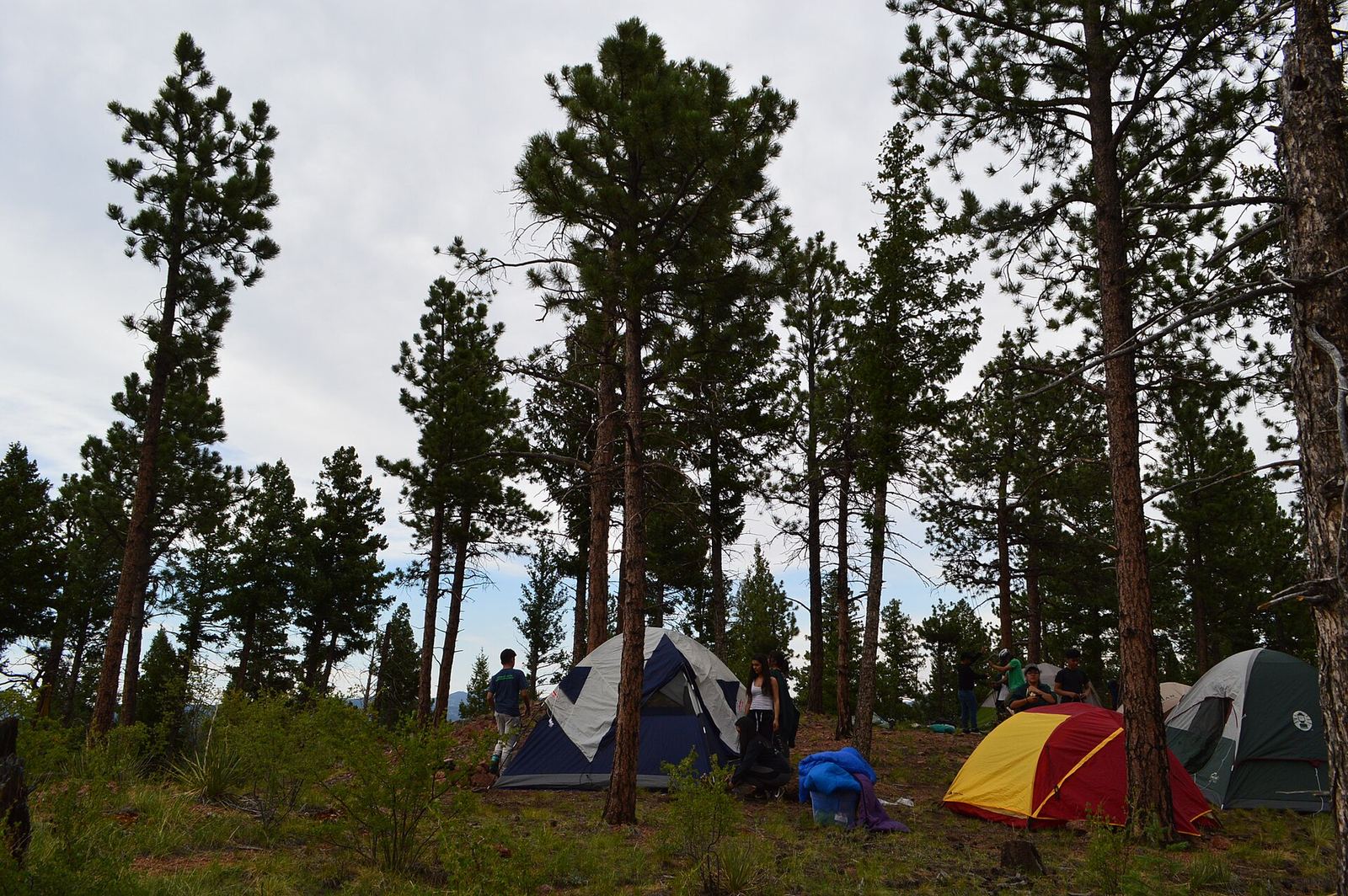
Photo: USFWS Mountain Prairie, Public domain
More areas are designated-sites only. On the South Platte Ranger District, car campers must use signed sites, and some Rampart Range sites need a Recreation.gov reservation. In February 2026 the Pike-San Isabel approved designated sites near Leadville, Buena Vista, and Salida. Regular dispersed camping continues there until the sites are marked.
Reading the Motor Vehicle Use Map
Each national forest publishes a free Motor Vehicle Use Map showing which roads are open to which vehicles. A dotted line along a road marks where you may legally dispersed camp (Arapaho and Roosevelt National Forests).
On the Rio Grande National Forest, vehicles must stay within 300 feet of the center line of a designated road. The forest also notes that a road open to camping doesn't guarantee there's a usable site.
Download the map before you lose signal. The forest's mobile version works in the Avenza Maps app, which can show your location offline (Forest Service).
How long you can stay
- National forests: usually 14 days. On the White River National Forest, you must then move at least three miles (Forest Service). Some areas add a cap, such as 28 days in any 60-day period at Caribou.
- BLM Colorado: no more than 14 days in any 30-day period at one location, then move at least 30 air miles. Don't leave property unattended for more than 48 hours (BLM).
BLM rules also bar using public land as a residence. Camping there is for recreation only.
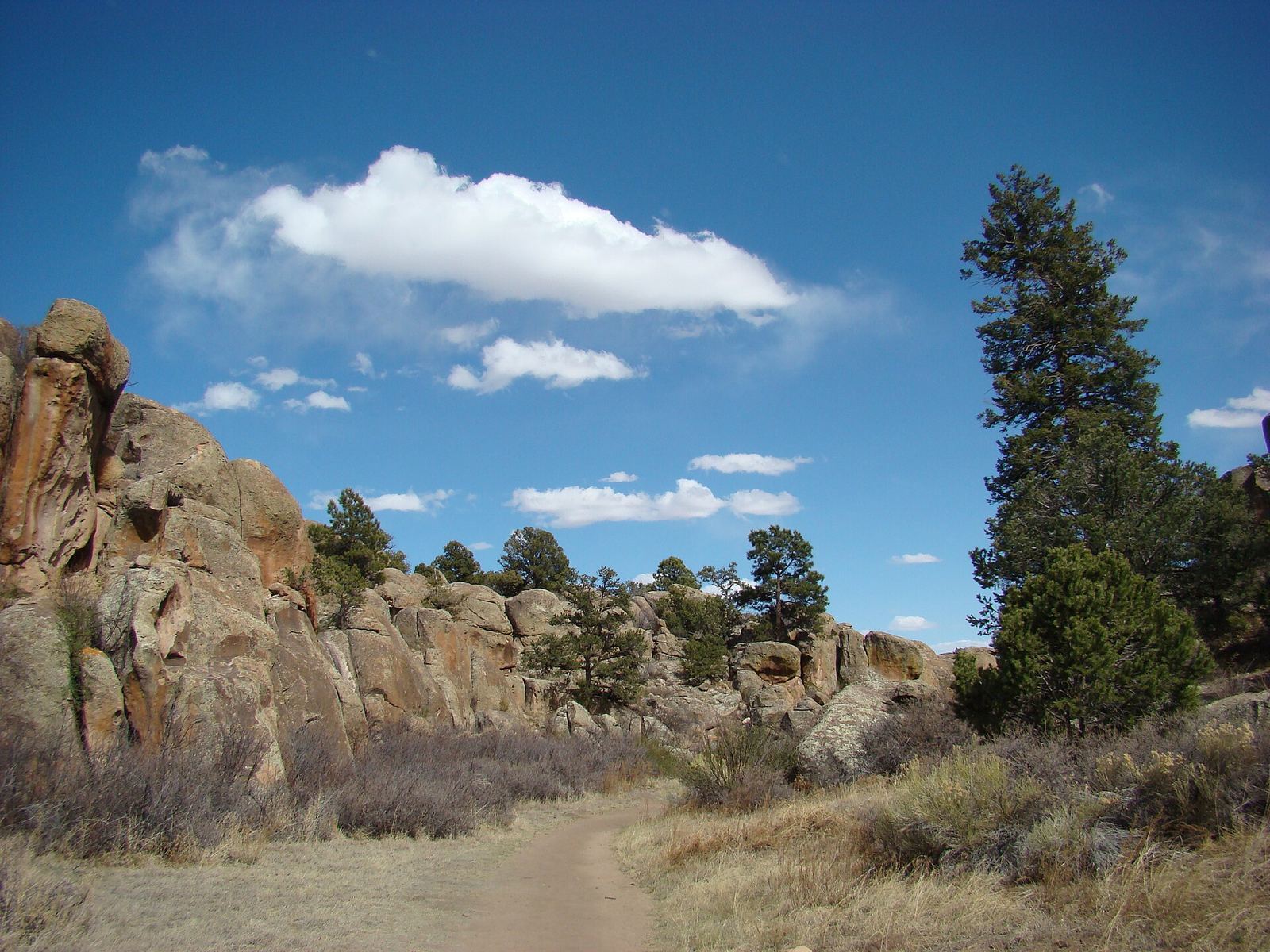
Photo: Bureau of Land Management, Public domain
Campfires and fire restrictions
Forests post fire restrictions on their alerts pages, and county restrictions apply too (Pike-San Isabel). The BLM Colorado fire restrictions page links an interagency map. BLM Colorado defines the stages this way:
- Stage 1: campfires only in metal fire grates in developed campgrounds. No fires at dispersed sites, and fire pans and rock rings don't count.
- Stage 2: no campfires or charcoal anywhere, including campgrounds.
- Under both stages, stoves that run on pressurized gas or liquid fuel are still allowed.
Never leave a fire unattended. Put it out cold with water before you leave camp.
Waste, water, and bears
- Pack out all trash. There's no trash service at dispersed sites.
- Bury human waste in catholes 6 to 8 inches deep, at least 200 feet from water (Forest Service).
- Camp well back from lakes and streams. Setback distances vary by forest, so check the local rules.
If you're camping west of I-25, you're in black bear country (Forest Service and CPW). Colorado Parks and Wildlife says to keep food, drinks, and toiletries in a bear-resistant container or a locked vehicle, never in your tent, and never to bury or burn trash.
Before you go checklist
- Download the Motor Vehicle Use Map for the forest from Forest Service maps.
- Check the forest's alerts page for closures, fire restrictions, and new camping orders.
- Check current fire restrictions on BLM land and in the county.
- Bring water, trash bags, a trowel or portable toilet, and enough water to put out a fire.
- Have a backup plan. Many designated sites are first-come, first-served.
Find camps along your route
QuickCamp shows campgrounds and hikes along your drive, with live safety alerts.
Route guides
Sources
Rules, closures, and conditions change. Always check the agency page before you go.
- USDA Forest Service, Rocky Mountain Region FAQs
- USDA Forest Service, Know Before You Go
- Rio Grande National Forest, dispersed camping
- Pike-San Isabel National Forests, designated dispersed camping
- BLM, Colorado camping and occupancy rules
- BLM, Colorado fire restrictions
- Colorado Parks and Wildlife, protect your campsite